
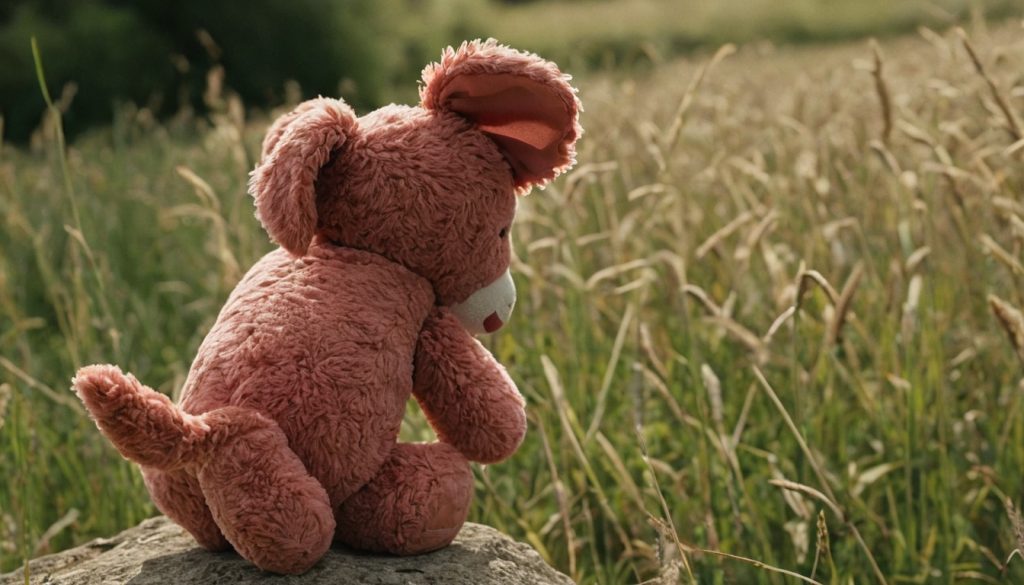
A Jellycat plush is worth a separate resale listing only when its style, tags, texture, and condition can be shown clearly. The riskiest listings hide labels, use vague “rare” wording, or reveal odor only after delivery.
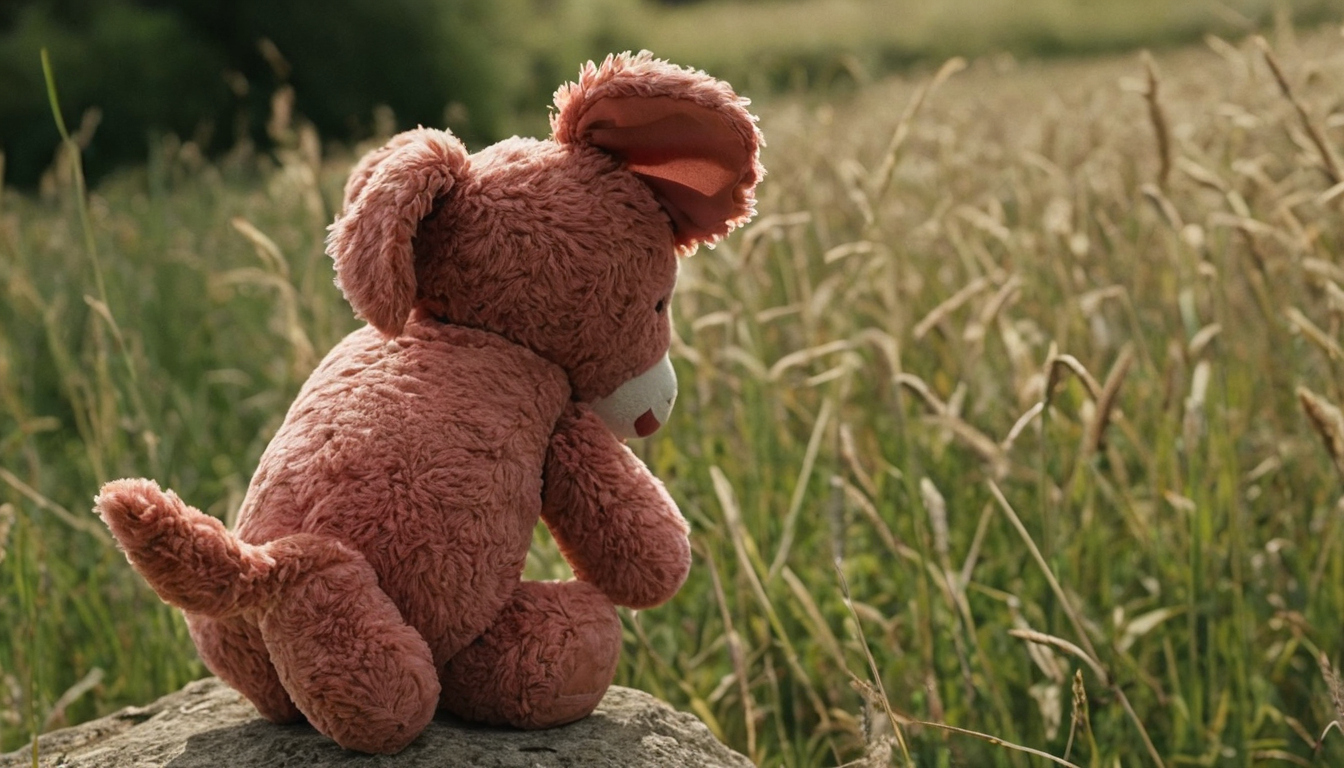
Jellycat Plush at Resale: Tags, Texture, Odor, and Retired-Style Verification shown as an editorial planning reference.
Are Jellycat stuffed animals worth listing or bidding on at resale?
Jellycat stuffed animals are worth listing or bidding on when the style can be identified, the fabric still has appealing texture, odor issues are absent or disclosed, and sold comparables support the price.
- Separate identifiable Jellycat plush from bulk stuffed animals.
- Photograph tags, face, fabric pile, seams, feet, ears, and stains.
- Check completed sold listings by exact style, size, tag status, and condition.
- Discount or avoid listings that hide odor, washing history, or tag evidence.
A separate listing makes sense for identifiable bunnies, animals, food-themed plush, and seasonal designs when the seller can show the swing tag, sewn label, size, texture, seams, and defects. Keep the toy in a mixed lot when the tag is missing, the fabric is heavily matted, or the style cannot be matched to sold comparables.
Buyer risk rises when photos show only the front, crop out the care label, blur the fur, or avoid the underside and ears. Ask about smoke, perfume, pets, basement storage, washing, and tag condition before bidding. If plush came from damp storage, fix the moisture issue before preserving or listing it, as the EPA mold guide advises.
How do authentic Jellycat tags and care labels help verify a plush toy?
Jellycat tags and care labels help verify a plush toy when the swing tag, sewn label, style information, and care instructions align with known examples for the same item and production period.
What should the Jellycat swing tag show in a resale listing?
A Jellycat swing tag should be photographed flat, front and back, with the attachment point visible. A useful listing shows the logo treatment, product or style wording, barcode or product code area if present, and any sticker residue or store marking that affects collector appeal.
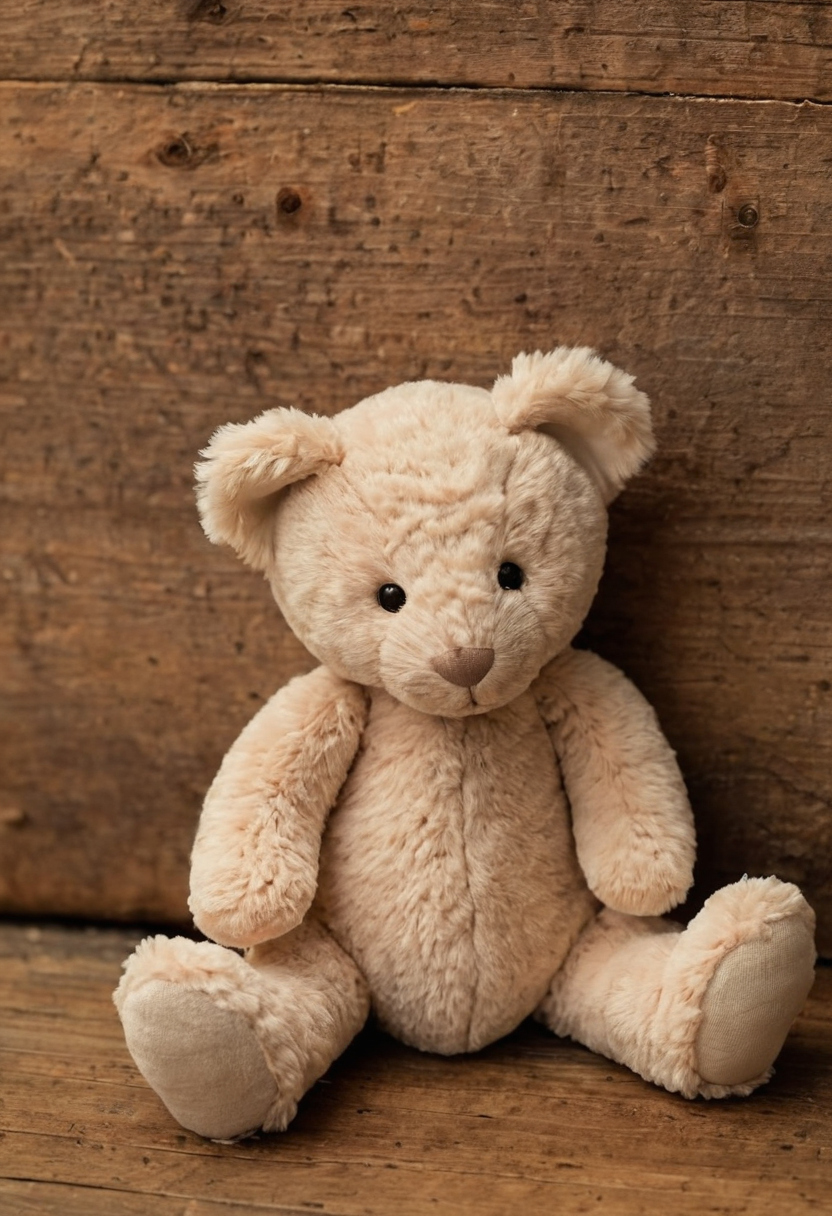
How do authentic Jellycat tags and care labels help verify a plush toy shown as an editorial planning reference.
- Ask for a close photo of the tag face, not just a distant shot.
- Compare the name, color, and size claim with the actual stuffed animal.
- Treat a detached tag as supporting evidence only if it is tied to that exact plush.
What should the Jellycat sewn label and care label show?
The sewn fabric label and care label matter most when the paper tag is gone. A buyer should see where the label is stitched into the seam, how the brand name appears, and whether the care label looks consistent with age, use, and washing history.
Normal tag problems include creasing, softened corners, light fading, removed swing tags, and care labels blurred by washing. Higher-risk problems include blurry printing on a clean-looking tag, a label that names a different animal, inconsistent style wording, or an attachment that looks newer than the plush.
How should Jellycat plush texture, matting, and fabric wear be graded?
Jellycat plush texture should be graded by visible pile softness, matting, thinning, fading, surface soil, seam stress, and whether the toy still photographs like its known style.
Grade by component, not by one broad phrase such as “good condition.” Use “new with tags” only when swing tags, sewn labels, fabric, and shape are intact. “Excellent used” should mean soft pile, clean seams, clear facial details, and no distracting soil. “Good used” can include light matting or minor surface wear if close-up photos show the defects.
- Pile: show matted fur, flattened nap, thinning, bald patches, fading, and surface soil.
- Stuffing: note lumpy bodies, soft limbs, twisted necks, compressed posture, or distorted faces.
- Seams: photograph seam pull, loose threads, repaired splits, and stress around weighted bases.
- Face: inspect eyes, nose stitching, whiskers, smiles, and uneven features.
“Fair” fits plush toys with obvious wear but stable construction. “Restoration candidate” fits items needing repair or careful cleaning. “Display-only” fits fragile, stained, or distorted pieces that should not be sold as child-ready stuffed animals.
Jellycat bunnies need extra attention at the ears, paw tips, tail, neck, and seated base. Long ears can lose edge softness, paws can darken from handling, and a bunny that no longer sits straight may photograph smaller or sloppier than expected.
How should odor, washing history, and cleaning risk be handled for Jellycat plush toys?
Odor and washing history should be handled conservatively because plush toys can trap smoke, mildew, perfume, detergent, and storage smells that photos cannot show.
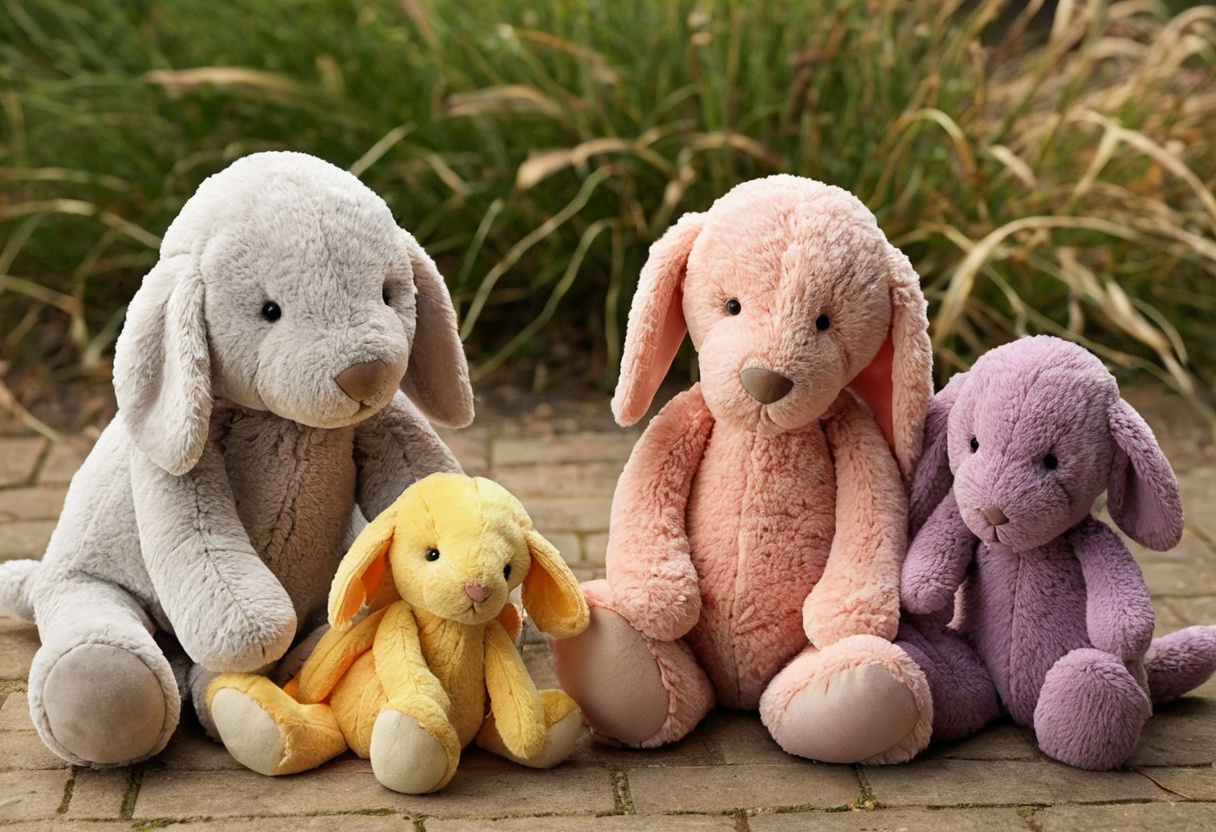
How should odor, washing history, and cleaning risk be handled for Jellycat plush toys shown as an editorial planning reference.
Inspect odor before staging photos, away from candles, laundry products, pet bedding, and damp boxes. Use direct phrases such as “no odor detected,” “light storage smell,” “noticeable perfume fragrance,” “pet home, odor not detected,” “smoke odor present,” or “musty odor present, not cleaned.” Avoid masking language such as “freshened,” “sanitized,” or “like new” unless the treatment and result can be documented.
Cleaning is not automatically value-positive for collectible stuffed animals. Machine washing, tumble drying, stain removers, disinfectant sprays, and fragrance sprays can mat the pile, shift stuffing, curl paper swing tags, fade printed care labels, or leave a stronger chemical scent. If the sewn care label is readable, follow that label first. If the label is missing, put the cleaning risk in the description.
Photograph the swing tag, sewn label, care label, flaws, and storage context before extra handling. The National Park Service Museum Handbook is a conservative reference for documentation, access, and use of collection material.
How can retired Jellycat styles and rare claims be verified without overpaying?
Retired Jellycat styles and rare claims should be verified by matching the exact official style name, colorway, size, tag evidence, and sold comparables.
Translate “rare Jellycat bunny” into checkable facts: animal, line, color, size, swing tag wording, sewn label, care label, and any product code shown on the tags. Similar Jellycat bunnies can differ by shade, ear fabric, sitting height, release period, and name, so a lookalike should not price like the claimed retired version. A seller should say “retired style not confirmed” when only family memory or online chatter supports the claim.
Comparable sales should match the exact plush, not just the same animal type. Exclude active asking prices, relisted items, damaged examples, bundled lots, unclear best-offer results, and sales distorted by unusual shipping or location. The cleanest comparable has the same style, similar tag status, similar texture grade, and clear odor disclosure.
What photos and wording should a Jellycat resale listing include?
A Jellycat resale listing should show the full plush, face, limbs, seams, fabric pile, swing tag, sewn label, care label, stains, and storage wear.
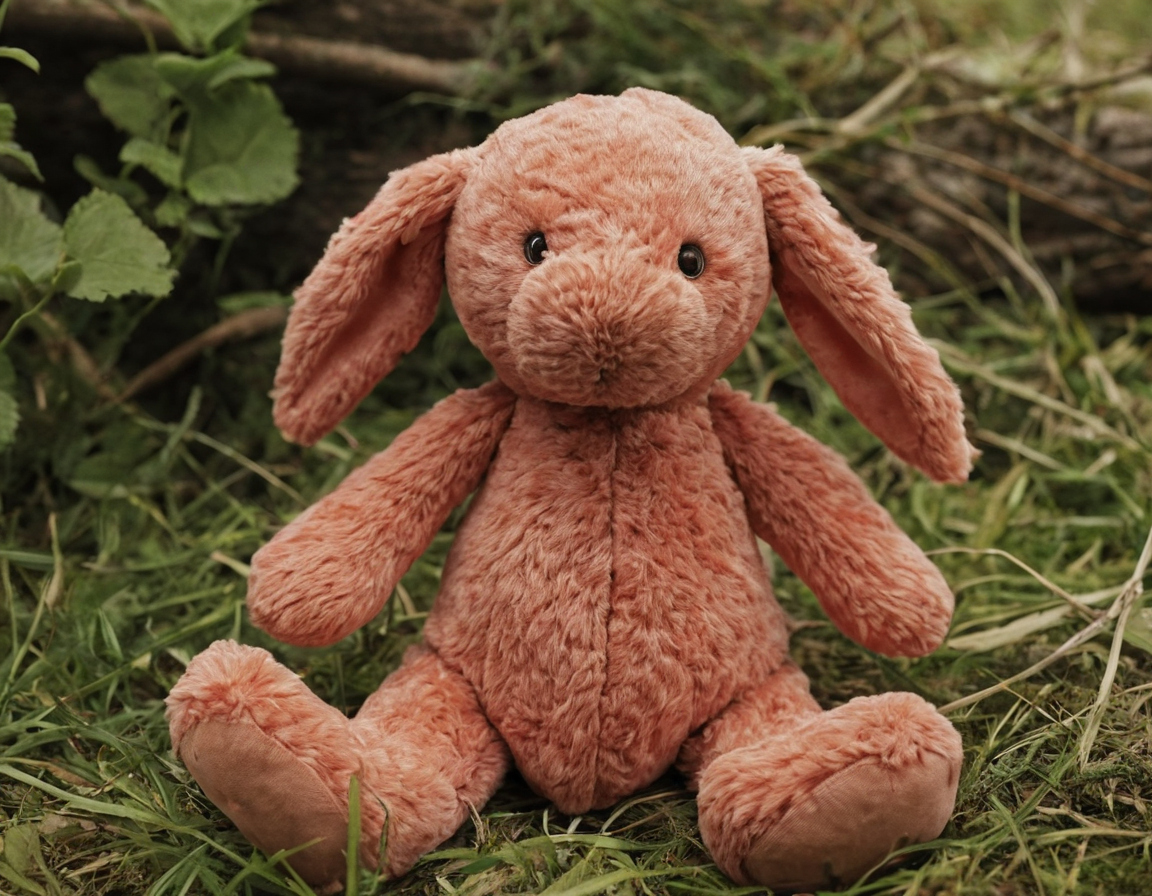
What photos and wording should a Jellycat resale listing include shown with practical context cues.
A strong title puts searchable evidence first: “Jellycat Bashful Bunny Beige Medium Plush With Tags,” “Jellycat Bunny Plush, Style Unverified, Sewn Label Present,” or “Jellycat Stuffed Animal, Missing Swing Tag, Used Condition.” Lead with Jellycat, animal type, size, color, and tag condition before words such as rare, vintage, retired, or collectible.
- Are swing tag, sewn label, and care label photographed clearly?
- Is there smoke, mildew, perfume, pet, basement, or storage odor?
- Has the plush been washed, surface cleaned, brushed, or dried with heat?
- Are measurements, matting, seam stress, stains, and stuffing shape shown?
Estate-sale sellers should group clean plush separately, isolate odor-affected items, and photograph tags before extra handling.
FAQ
How can a buyer spot a suspicious Jellycat tag in an online listing?
Ask for clear front and back tag photos, the sewn label, and the care label. Risk rises when the tag is blurry, detached without explanation, inconsistent with the plush, or hidden behind a vague title.
How can a seller tell whether a Jellycat plush is rare or just discontinued?
Match the exact style name, color, size, and tag evidence to completed sold listings. Discontinued does not mean rare unless buyers have recently paid more for that verified version.
What tags should an authentic Jellycat stuffed animal have?
A resale listing should show the swing tag if present, the sewn brand label, and the care label. Missing or worn tags do not prove a fake, but the condition and absence should be disclosed.
Does washing a Jellycat plush help or hurt resale value?
Washing can hurt resale value if it mats the pile, shifts stuffing, curls paper tags, fades labels, or adds fragrance. Follow the care label when readable, and disclose cleaning history.
What should an estate-sale seller photograph before listing Jellycat plush toys?
Photograph the full plush, face, ears, paws, seams, fabric pile, stains, swing tag, sewn label, care label, and any provenance.