
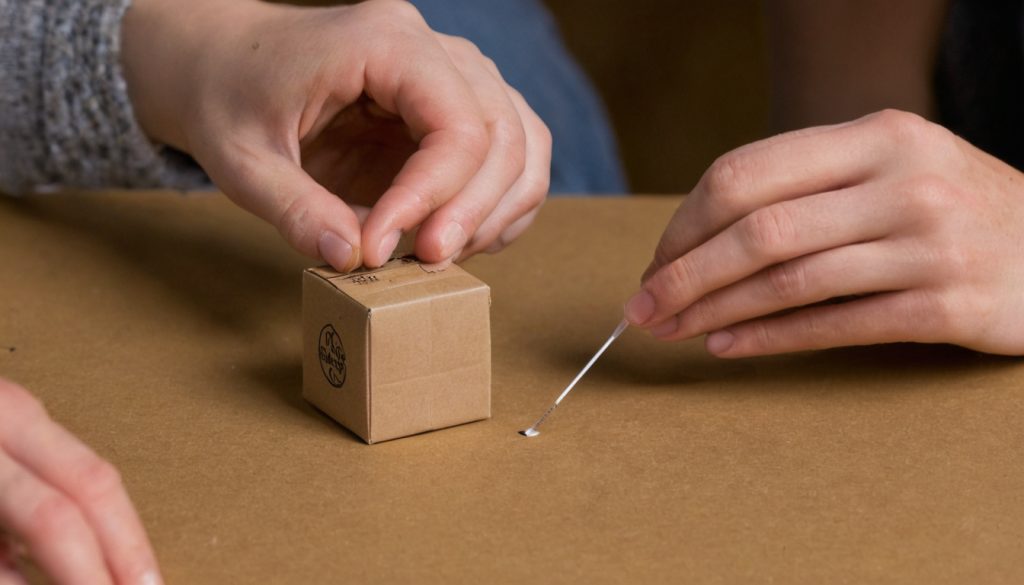
A collector sets a sealed Pop Mart Skullpanda box on the appraisal table, expecting a premium over a loose figure. Sealed packaging creates a speculative premium for chase variants but suppresses bids from buyers who only want confirmed characters. Values depend on series rarity and platform. See also: verifying tags and retired styles at resale.
Contents
- What is a blind box and how does its sealed format affect auction value?
- How do carded figures differ from blind boxes in auction grading?
- Do sealed blind boxes sell for more than carded figures of the same character?
- What condition factors lower the auction price of blind boxes and carded figures?
- How do auction house fees change the net return for blind boxes versus carded figures?
- Should you consign sealed blind boxes or opened carded figures when moving?
Key takeaways
- The blind box format makes bidders gamble.
- Carded figures are mounted on printed cardboard backing and sealed under a clear plastic blister, so appraisers can inspect the toy without opening the package.
- Sold lot data shows that identical intellectual property characters typically achieve higher hammer prices on traditional carded figures than in sealed blind boxes, unless the blind box contains a verified rare chase variant.
- For blind boxes, crushed outer sleeves, split seals, or missing retail stickers reduce the speculative premium because they suggest tampering.
- Consignment net returns depend on the auction house fee schedule, not just the hammer price.
What is a blind box and how does its sealed format affect auction value?
The blind box format makes bidders gamble. A factory-sealed randomized package hides the specific figure inside until opened. That uncertainty splits the auction audience into two camps: speculators chasing secret variants and collectors who refuse to bid on unknown contents. When you consign these boxes, your buyer pool shrinks to the first group unless the series carries broad demand. For related context, review verifying tags and retired styles at resale.
This pricing logic explains why a sealed blind box rarely outperforms a visible carded figure of the same character at auction. Bidders prefer certainty over probability when spending real money. To see how appraisers judge that certainty, compare how carded figures and blind boxes are graded at auction.
How do carded figures differ from blind boxes in auction grading?
Carded figures are mounted on printed cardboard backing and sealed under a clear plastic blister, so appraisers can inspect the toy without opening the package. Auction graders evaluate card centering, corner sharpness, and blister clarity. Unlike blind boxes, the exact figure is visible, eliminating randomized speculation premiums.
Auction houses typically use internal grading scales modeled after established third-party standards such as AFA (Action Figure Authority) or CAS (Collectible Authentication Services). These systems assign numeric scores based on three physical components: the cardboard backing, the plastic bubble, and the figure inside. An appraiser checks a carded figure for creases along the spine, color fading on the front art, and stress marks where the blister meets the glue flange. The transparent window lets bidders verify every flaw before they raise a paddle.
Opaque blind box packaging calls for a different inspection workflow. An estate-sale appraiser cannot verify the condition of the hidden figure, so the evaluation stops at the exterior cube. Graders check the factory seal tape for tears, measure corner compression, and scan the printed surface for scuffs. Bidders must absorb unknown interior risk, which suppresses competitive bidding on common variants while inflating prices only when a sealed chase piece carries independent verification. That pricing gap determines whether identical characters ultimately sell for more in sealed blind box form or on traditional carded display packaging.
How do carded figures differ from blind boxes in auction grading.
Do sealed blind boxes sell for more than carded figures of the same character?
Sold lot data shows that identical intellectual property characters typically achieve higher hammer prices on traditional carded figures than in sealed blind boxes, unless the blind box contains a verified rare chase variant. Carded figures offer visual certainty, which most auction bidders prefer over randomized risk when evaluating comparable toys.
Factory-sealed packaging does not automatically command a premium at auction. A collector moving house often expects a sealed blind box to outbid a carded figure of the same character. Regional auction houses and completed eBay listings consistently contradict that expectation. Bidders pay for confirmed condition and visible paint applications, not the possibility of a common duplicate.
Consigning sealed randomized packaging carries financial risks that reduce net return:
A sealed Funko Mystery Mini box hides all three variables. Bidders treat the sealed box as a gamble rather than a collectible, pricing their bids to absorb the risk of pulling an undesirable common figure. The only exception occurs when a specific Funko Mystery Minis series is entirely retired and the sealed box represents the sole remaining acquisition path. Even then, the premium reflects scarcity of access, not superiority of the blind box format itself. For details on how packaging flaws affect these valuations, review our guide on pricing box damage and stickers on Funko Pop lots.
Carded anime figures attract a separate collector base focused on display accuracy, sculpt detail, and license fidelity. When comparing a sealed Bearbrick blind box to a factory-sealed Banpresto prize figure at a similar retail tier, the carded anime figure typically achieves a tighter spread between its retail price and final hammer price. The visible blister packaging removes guesswork about sculpt quality and paint application. Bearbrick values depend heavily on the specific series release date and whether the set contains a documented 100% chase figure. Neither format guarantees a profit over retail, but the carded anime figure provides a more predictable baseline for consignment estimates.
Price differences are only part of the picture. To see what lowers the auction price of blind boxes and carded figures, examine the packaging itself.
What condition factors lower the auction price of blind boxes and carded figures?
For blind boxes, crushed outer sleeves, split seals, or missing retail stickers reduce the speculative premium because they suggest tampering. For carded figures, creased cardboard, yellowed blisters, or detached bubbles drastically lower grades. Appraisers document these flaws before consignment to set accurate reserve prices based on recent comparable sales.
Auction bidders penalize packaging defects far more aggressively than figure damage. A sealed blind box with a crushed corner often sells for 20 to 40 percent less than a pristine example, while a carded figure with a cracked blister can lose half its value compared to a mint-on-card specimen. The discount depends on the character rarity, but the structural penalty remains consistent across categories.
Recording every scuff, dent, and seal break during intake protects both the consignor and the auction house from post-sale disputes. Physical condition affects the gross hammer price. Auction house fees then determine the net return for blind boxes versus carded figures.

What condition factors lower the auction price of blind boxes and carded figures.
How do auction house fees change the net return for blind boxes versus carded figures?
Consignment net returns depend on the auction house fee schedule, not just the hammer price. Regional houses often charge sellers a 15 to 25 percent commission plus listing fees, while online platforms like eBay take around 13 to 15 percent. Because blind boxes generally yield lower individual hammer prices than premium carded figures, fixed fees consume a larger percentage of the seller’s net profit.
Auction houses apply percentage commissions to the final hammer price. A regional toy auction charging a 20 percent seller commission takes ten dollars from a fifty-dollar blind box sale and twenty dollars from a one-hundred-dollar carded figure sale. Flat lotting fees add to that loss. If the same house adds a five-dollar catalog entry fee per lot, the blind box seller loses thirty percent of gross revenue before shipping costs appear. The carded figure seller loses twenty-five percent. That five-point gap widens further when an appraiser groups multiple low-value blind boxes into single lots to minimize per-item charges.
eBay final value fees in the collectibles category run closer to thirteen or fifteen percent, reducing the flat-fee drag on cheaper items. Sellers moving entire collections after a relocation must calculate the total consignment cost across every lot, not just the headline commission rate. Those costs raise a practical question: should you consign sealed blind boxes or opened carded figures when moving?
Should you consign sealed blind boxes or opened carded figures when moving?
When liquidating a collection due to a move, prioritize consigning high-grade carded figures individually, as their visible condition commands predictable auction prices. Group common sealed blind box units into multi-item lots to minimize per-unit commission fees. Do not open sealed blind boxes hoping for chase figures, because opened loose figures typically lose their auction viability entirely.
Should you consign sealed blind boxes or opened carded figures when moving.
Start sorting by separating the collection into three physical piles: factory-sealed carded figures, sealed blind box packaging, and loose items. Carded figures with sharp corners and clear blisters go directly to the auction house as individual consignment lots. Bundle sealed blind box units from standard series into groups of five or ten. This grouping strategy reduces the administrative burden on the auctioneer and keeps the hammer price above the minimum threshold required to cover buyer premiums and seller commissions.
For more on this topic, see other guides on this site.