
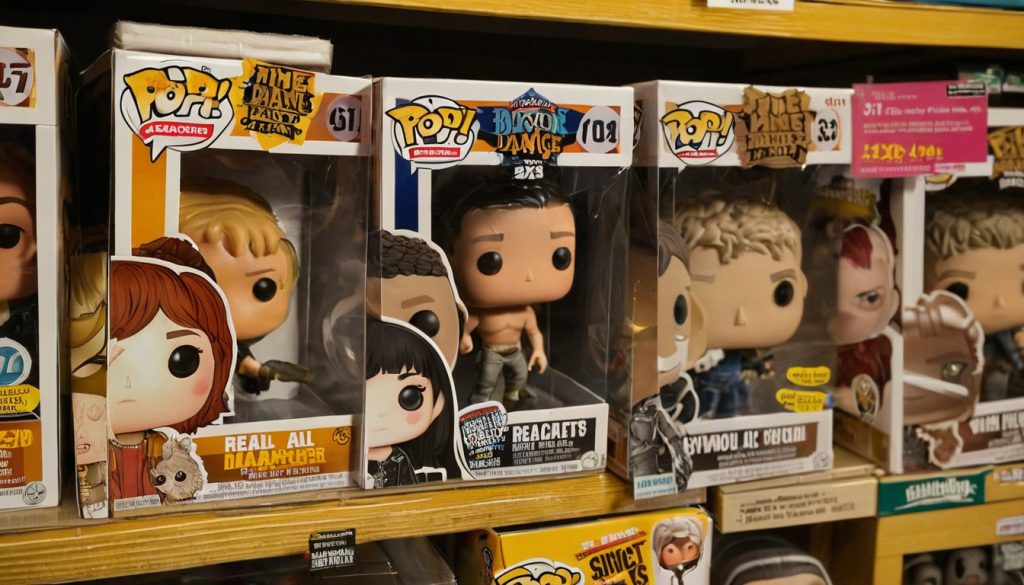
Paying convention-sticker money for an uncertain sticker, or setting a bid from the hammer price alone, can turn an appealing Funko Pop lot into an immediate loss. The most reliable approach treats identity and condition as separate questions, matches sold examples closely, and stops bidding at a total-cost ceiling. The honest limitation is that no universal box-damage discount or sticker premium applies to every Funko Pop figure.
How should Funko Pop figures be priced from sold auction results?
Funko Pop auction pricing starts with an exact identity match and recent completed sales, not an asking price or a broad rarity label. Compare the same character, box number, variant, sticker, packaging status, and market before adjusting for fees, shipping, and uncertainty.
Only matched Funko Pop sales create a useful valuation range
An active listing shows what a seller wants, while a completed transaction shows what a buyer accepted under specific conditions. Even sold prices need screening because two Funko Pop figures with the same character name can represent different finishes, stickers, sizes, production versions, or packaging states.
- Confirm identity. Match the character, series, official product name, and box number. Check whether the figure is standard, flocked, metallic, glow, chase, color-specific, pose-specific, oversized, or another documented variant.
- Match the sticker. Separate retailer exclusives, convention stickers, shared exclusives, regional labels, and special-edition stickers. An uncertain or transferred sticker should not share a comparison group with a verified original.
- Match packaging status. Group original intact boxes, damaged original boxes, replacement boxes, incomplete packaging, and loose figures separately. Confirm inserts, stands, accessories, and other included pieces.
- Record the transaction. Note the marketplace, sale date, currency, buyer location, auction or fixed-price format, final price, and any disclosed premium or shipping charge.
- Choose a defensible window. Use a shorter recent period when identical examples sell often. For slow-selling figures, extend the window but label older transactions rather than blending them silently with current results.
- Remove weak evidence. Exclude unsold listings, repeated relistings, canceled or incomplete transactions, unverifiable private sales, stock-photo listings, and examples with materially different condition or identity.
The remaining sales should form a low, central, and high range rather than a single authoritative price. The central value is usually the most useful starting point, but a thin comparison set deserves a larger uncertainty reserve.
A Funko Pop bid ceiling must use the total landed cost
Auction buyers should calculate backward from the maximum acceptable total cost. The hammer price is only one part of that commitment, particularly when the auction adds a buyer’s premium or requires insured shipping.
- Read the buyer’s-premium schedule and determine whether tax applies to the premium in the buyer’s jurisdiction.
- Estimate shipping, handling, insurance, sales tax, and any currency-conversion cost.
- Reserve an amount for uncertain attribution, undisclosed defects, or authentication work.
- Reduce the estimate further if the buyer requires a cleaner box than the comparable sales provide.
Maximum hammer bid = supported market value minus buyer’s premium, tax, shipping, handling, insurance, currency costs, condition adjustment, and uncertainty reserve. Because premium and tax may be percentage-based, buyers should calculate them under the auction’s actual rules rather than subtracting rough amounts.
The next valuation question is therefore not simply whether a box is “damaged,” but which defect exists, where it appears, and which buyer market will notice it most.
Box damage affects Funko Pop value according to type, location, and buyer market
Box damage matters most when Funko Pop figures are being compared for in-box display. Classify each defect by type, location, visibility, completeness, and structural effect, then use sold results for the same figure and packaging state. No universal box-damage discount applies across every figure or buyer market.
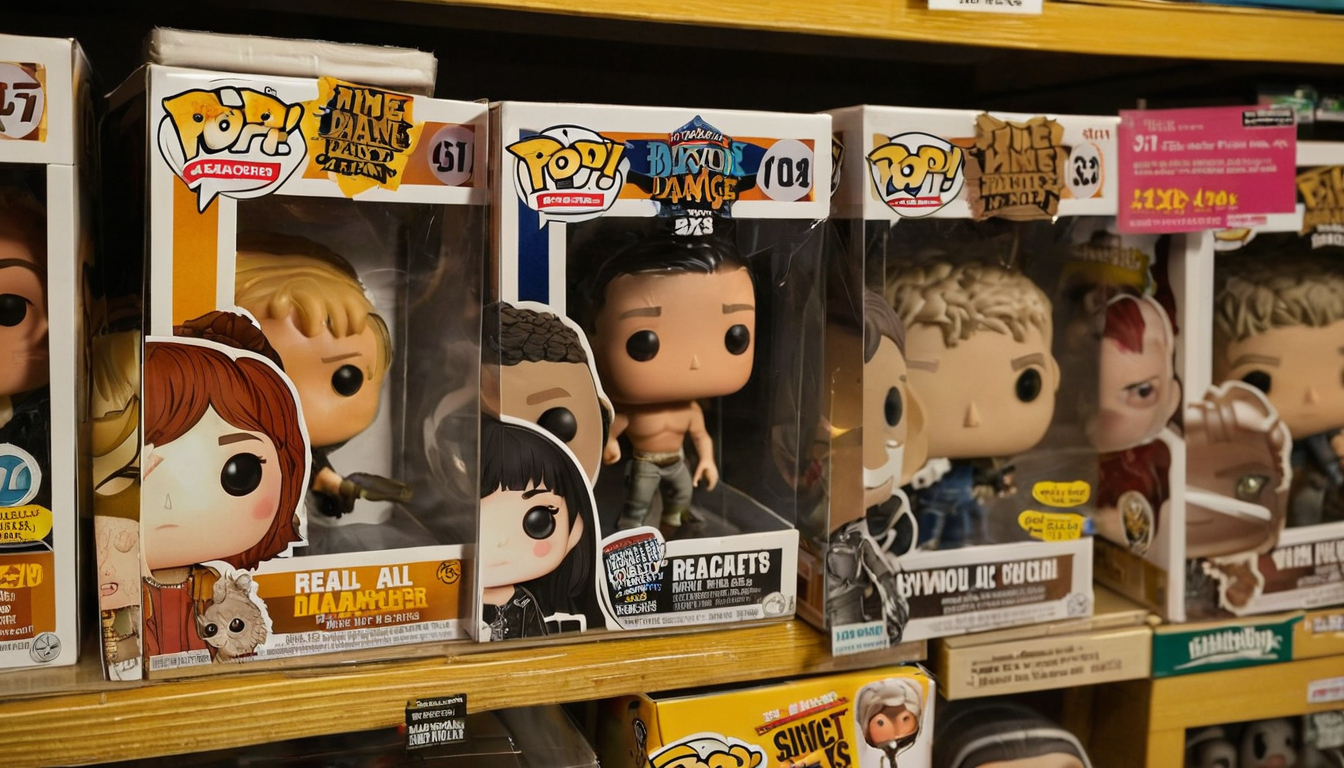
Box damage affects Funko Pop value according to type, location, and buyer market shown as an editorial planning reference.
Funko Pop box damage should be recorded with a repeatable condition scale
A useful condition scale describes observable facts rather than assigning an unofficial grade. Auction-house and marketplace terminology can differ, so sellers should name the defect and show it instead of relying on terms such as “good” or “near mint.”
- Clean display condition: Complete box with firm panels, attached window, intact flaps, and no prominent damage. Disclose light scuffing or faint shelf wear even if visible only under angled light.
- Minor damage: Small corner compression, shallow crease, light window scuff, modest warping, or wear limited to the rear, top, or bottom. Front-facing defects generally concern display-box buyers more than comparable bottom-panel wear.
- Major damage: Deep creases, corner crush, tears, punctures, window separation, staining, fading, writing, tape, adhesive residue, or deformation that affects display or box stability.
- Incomplete or compromised: Missing or detached flaps, absent insert, replacement window, heavy moisture marks, mold indicators, smoke residue, persistent odor, or contamination requiring isolation.
Manufacturing irregularities should be called “possible factory flaws” unless packaging images or provenance document their origin. Damage acquired during storage, handling, or shipping should not be recast as a factory error. A hard protector or display case is a separate accessory, not evidence that the cardboard box underneath is undamaged.
Funko has signed licensing deals with Warner Bros., Paramount Skydance, NBCUniversal, Disney, Sony, Shueisha, Marvel Entertainment, and Major League Baseball. That company-level licensing history does not establish the correct legal marks, sales region, release year, or packaging condition for a specific figure.
Photographs must show every Funko Pop box defect that could change a bid
A complete image sequence lets buyers distinguish a shallow rear crease from structural crushing and reduces disputes over undisclosed damage.
- Photograph the front, rear, both side panels, top, and bottom straight-on.
- Show all corners, flap edges, window seams, stickers, and production markings.
- Add close-ups of creases, tears, punctures, fading, residue, moisture marks, window dents, separation, tape, and writing.
- Use soft, angled light to reveal dents without glare hiding window scratches or washing out faded printing.
- State clearly if any image is a stock photograph, an older image, or reused from another listing.
Buyers should treat missing panel views or unexplained glare as unresolved condition risk and lower the bid ceiling accordingly. Once the box is documented, the next question is whether a retailer or convention sticker has enough provenance to add value.
Retailer and convention stickers require provenance before they add value
Retailer and convention stickers can change the comparison set for Funko Pop figures, but a sticker alone does not establish release history or authenticity. Sellers should identify its type, placement, condition, region, and provenance. Buyers should compare those details with documented packaging from the relevant release year before paying a premium.
Shared, retailer, and convention stickers are not interchangeable descriptions
Sticker wording should be reported exactly rather than compressed into “exclusive.” A retailer sticker identifies a distribution channel; a convention sticker may identify event-branded distribution; and a shared-release sticker can accompany a figure distributed outside the event. Special-edition and regional stickers may differ across markets. A chase sticker usually identifies a figure variation, not the retailer that sold it.
Funko produces licensed pop-culture collectibles, but general licensing does not verify a particular sticker or package. Compare the sticker’s wording, artwork, size, position, release region, and year with documented examples. If evidence cannot distinguish an original sticker from a transferred, replacement, reproduced, or aftermarket example, describe it as “sticker present, provenance unverified” and exclude any unsupported premium.
Sticker condition must be described separately from box condition
A clean box can still have a damaged sticker. Photograph the sticker straight on and from an angle that reveals lifted edges, surface scratches, fading, tears, bubbles, adhesive residue, or misalignment. State whether the sticker is intact, partly detached, missing, or appears reapplied. Sold comparisons should match both the figure and sticker version whenever bidders value those versions differently.
Removing a price sticker can create more damage than it corrects
Price-sticker removal is rarely justified before an auction unless the seller knows the packaging materials and adhesive behavior. Heat, solvents, scraping, and aggressive peeling can lift printed coatings, tear cardboard fibers, cloud a clear window, or disturb an adjacent exclusive sticker.
A seller should photograph and disclose an uncertain price sticker rather than attempt an irreversible correction. Valuable or fragile packaging may warrant advice from a paper or packaging conservator. Even an apparently original exclusive sticker cannot carry the attribution alone, so the next check must reconcile the figure variant, box, and production markings as one complete package.
Figure variants and production codes must be verified as a complete package
Figure variants should be attributed only when the sculpt, paint, box text, number, sticker, licensing marks, and production markings support the same release. A date or factory code can test consistency, but it cannot independently prove authenticity, rarity, or entitlement to a particular exclusive designation.
A Funko Pop variant checklist must reconcile the figure with its box
Variant verification begins with an official catalog entry, archived announcement, or documented packaging example for the claimed release. Compare the box number, series and character names, front and side artwork, window configuration, copyright text, trademarks, manufacturer identification, and expected sales-channel sticker.
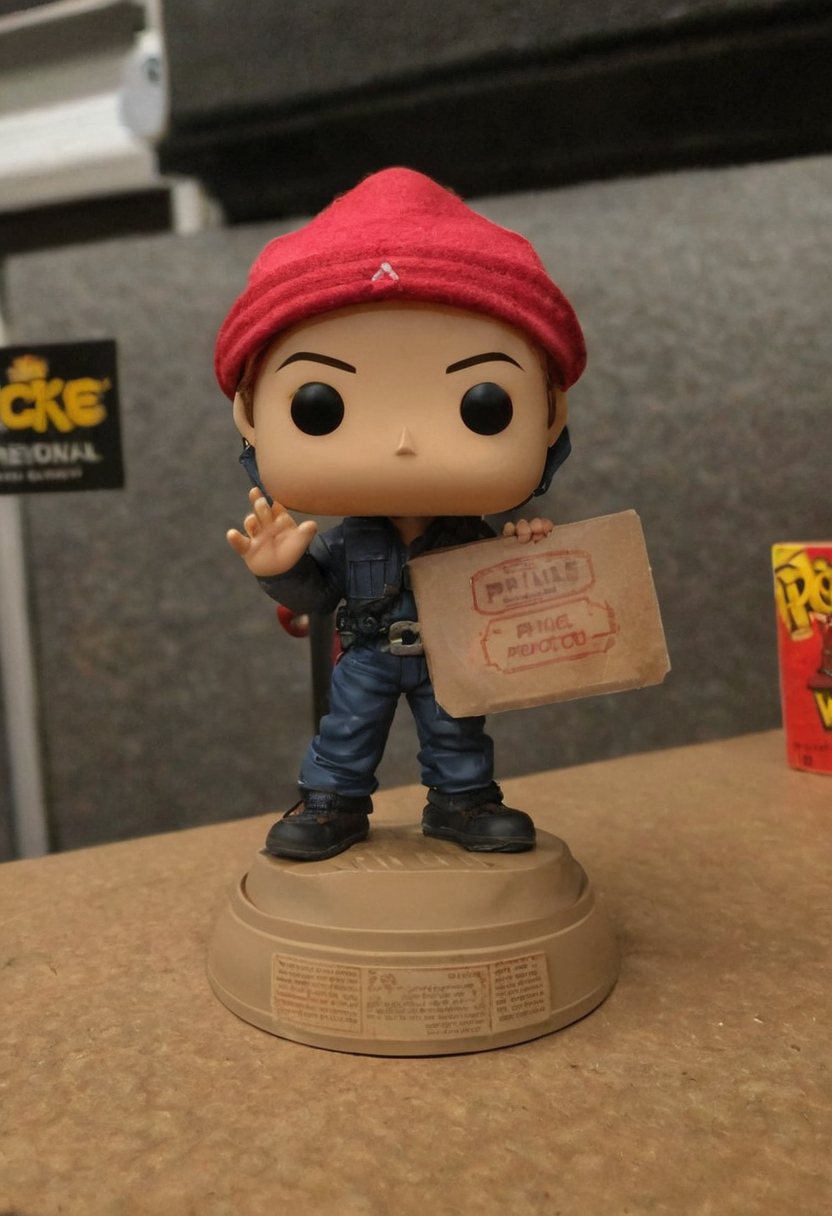
Figure variants and production codes must be verified as a complete package shown with practical context cues.
The figure must then match the documented sculpt, pose, size, colors, surface finish, base, and accessories. Differences such as glow material, flocking, metallic paint, alternate poses, or chase details matter only when the complete release supports them. A correct figure inside an unrelated box remains a mismatched collectible, not a verified boxed variant.
Inspect production markings on the box and figure only where they are visible without bending flaps or opening sealed packaging. If a sealed box conceals a marking, the seller should state that the marking was not inspected rather than claiming a match.
Production codes support attribution but do not replace provenance
Production codes may indicate a date, batch, factory, or location, depending on the format and release. Their strongest use is consistency checking: does the marking make sense beside the packaging style, legal text, documented release period, and known sales region?
Production runs and regional packaging can produce legitimate differences. Without manufacturer documentation or a qualified authenticator’s comparison, buyers should not apply an unofficial decoding rule as conclusive proof. One unusual code warrants more investigation, not an automatic counterfeit verdict. Purchase receipts, original-owner history, dated photographs, and a traceable sale record provide stronger context when combined with consistent physical details.
Counterfeit risk increases when identity details conflict
Conflicting details should lower identity confidence and the bid ceiling until the seller supplies clearer evidence. Warning signs include:
- box artwork, number, or legal text that does not match the enclosed figure;
- a premium sticker inconsistent with the documented release channel or region;
- missing accessories, an incorrect base, or paint and finish differences presented as a rare variant;
- printing, window construction, or production markings that conflict with several known examples;
- vague provenance, replacement packaging, or refusal to provide focused photographs;
- no clear return terms when authenticity is disputed.
No single visual test settles authentication. Buyers should ask where the figure was purchased, whether packaging or stickers were replaced, what ownership records survive, and what remedy applies if the attribution proves wrong. Those answers belong in a complete lot description that separates identity, condition, and missing packaging.
A complete Funko Pop lot description separates identity, condition, and missing packaging
A sale-ready Funko Pop lot description should inventory every figure individually, identify whether each box and insert is original, and disclose visible defects without vague labels such as “mint.” The description should also record accessories, protectors, provenance documents, inspection limits, and any mismatches that could affect attribution or value.
Each Funko Pop figure needs its own inventory line
One inventory line prevents a valuable figure from obscuring damaged, duplicated, loose, or uncertain items elsewhere in the lot. Use this sequence: quantity; character; series and box number; figure variant; sticker; packaging status; figure condition; cardboard condition; window condition; insert condition; accessories; protector; provenance; notes.
Duplicates need separate lines when their stickers, paint, packaging, or condition differ. Record uncertainty directly, such as “variant unconfirmed” or “sticker provenance unknown,” rather than selecting the most valuable attribution. For unopened boxes, state that the figure surfaces, joints, underside, and concealed accessories were not fully inspected.
Missing original packaging must be stated explicitly
Loose or no box means the figure is supplied without retail packaging. Partial packaging may include the cardboard box but lack the molded plastic insert. Replacement packaging uses a separately sourced component; reproduction packaging is newly made rather than original; and a mismatched box does not correspond completely to the enclosed figure.
Funko began selling the overall Pop! Vinyl line in 2011, but that launch year does not establish the date of an individual figure, box, or variant. Release-specific identification still requires matching documentation.
Photograph every included component and disclose swapped boxes, sourced inserts, detached bases, missing accessories, and aftermarket protectors. Compare loose figures with loose sold examples, not intact boxed sales. Sellers preparing other collectible categories can apply similar condition and provenance checks for another modern collectible, while adapting the fields to rigid Funko packaging.
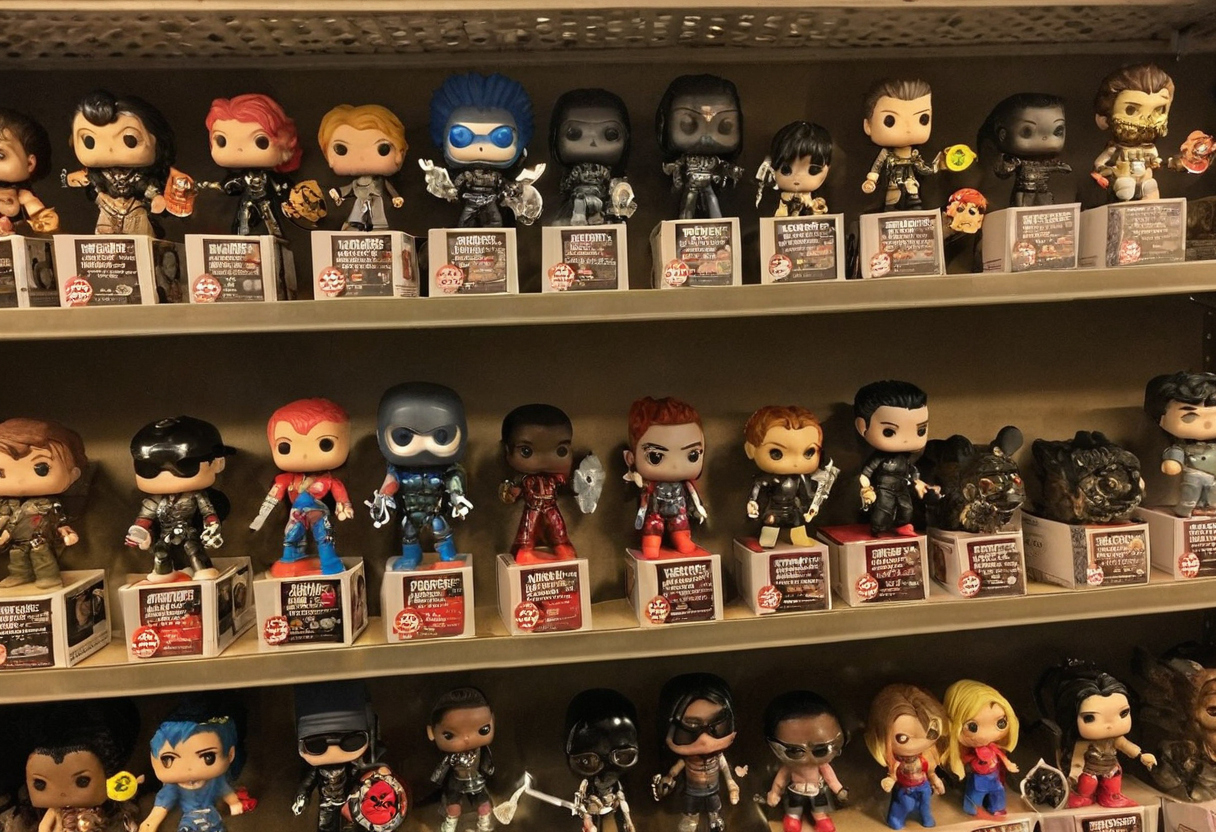
A complete Funko Pop lot description separates identity, condition, and missing packaging shown as an editorial planning reference.
Storage and shipping must preserve the disclosed condition
Store photographed Funko Pop figures upright in a dry, stable, low-light location away from dust and crushing pressure. For shipping, immobilize the boxed figure inside a rigid outer carton with corner clearance, cushioning, and moisture protection. A display protector supplements packing but does not replace it.
Retain dated pre-shipment photographs, tracking, insurance records where purchased, and images of the sealed parcel. Check the chosen auction platform’s current requirements for image accuracy, condition statements, authenticity claims, returns, and transit-damage reporting. Once the description establishes what is known and missing, the bid ceiling can discount uncertainty as carefully as physical damage.
A Funko Pop auction bid ceiling should discount uncertainty as well as damage
A buyer’s maximum bid should start with supported values for verified Funko Pop figures, subtract condition and attribution risk, and then account for every auction cost. Uncertain stickers, conflicting markings, incomplete photographs, counterfeit concerns, and no-return terms require a larger reserve than clearly documented figures with matched sales.
The bid-ceiling worksheet must show every assumption
Build low, central, and high estimates from sold records matching the figure, variant, sticker, packaging, and condition. Use the low estimate for weak evidence and the central estimate only when identity and condition are well documented.
- V: verified figure-value subtotal.
- D: condition deduction, preferably supported by damaged and intact sales of the same figure.
- R: reserve for uncertain provenance, mismatched codes, poor photographs, authenticity concerns, or restrictive return terms.
- L: lot adjustment for duplicates or low-demand fillers, applied only when comparable bulk sales support it.
- C(H): buyer’s premium, shipping, insurance, tax, and currency-conversion costs at hammer bid H.
The adjusted ownership value is V − D − R − L. The maximum hammer bid is the highest H for which H + C(H) does not exceed that value. Because premiums and taxes may depend on the hammer price, buyers should calculate the actual fee schedule rather than subtracting a guessed percentage.
Mixed Funko Pop lots should not be valued from the best figure alone
Value every material figure separately. Assign conservative amounts to loose, damaged, common, duplicate, or unidentified items instead of extending the headline figure’s price across the lot. A resale buyer should also deduct inspection, listing, packing, payment, and expected selling costs; a collector should omit resale expenses.
If essential identity or condition evidence remains missing, set a lower stop bid or pass. A defensible ceiling is one the bidder can audit before bidding pressure replaces judgment.
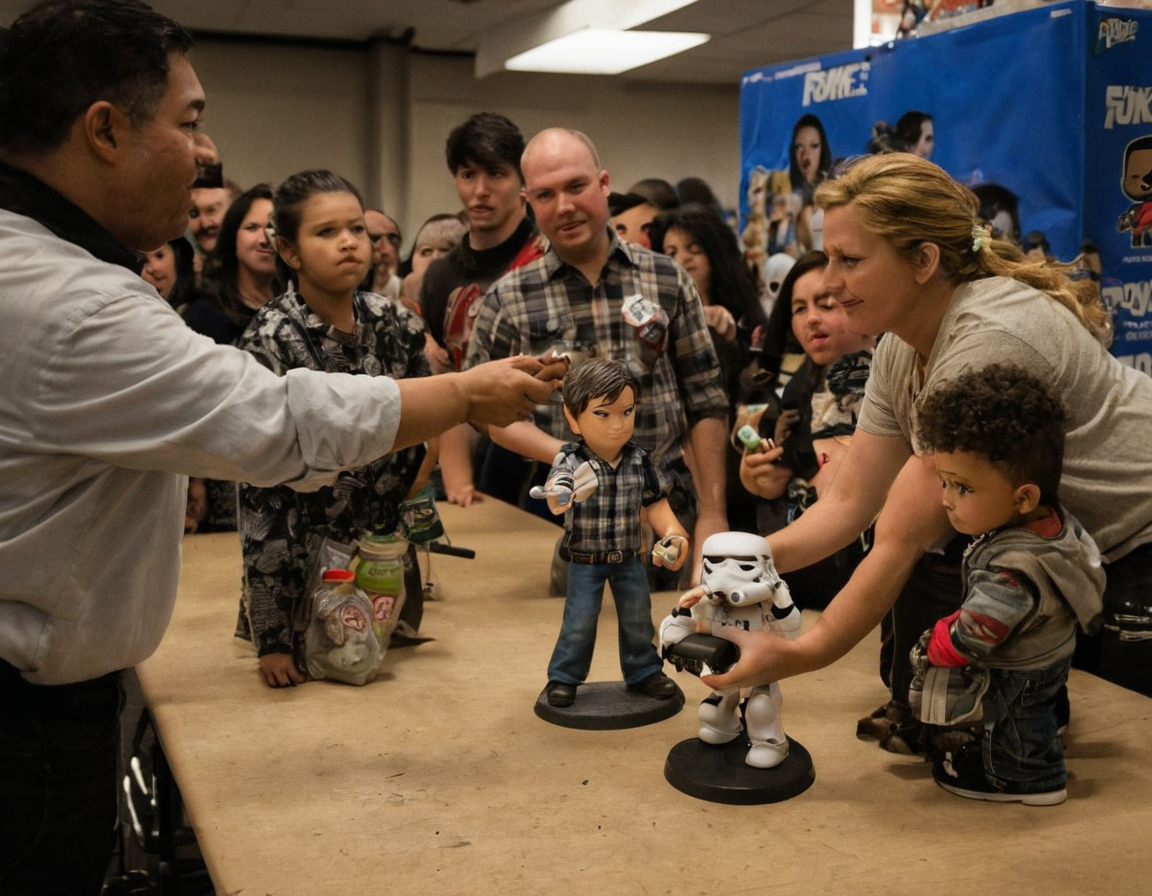
A Funko Pop auction bid ceiling should discount uncertainty as well as damage shown with practical context cues.
Frequently asked questions
Does Funko replace damaged boxes, and do the rules depend on where and when the figure was purchased?
Replacement eligibility can depend on the seller, purchase channel, region, purchase date, available inventory, and proof of purchase. A buyer should not assume that Funko or a retailer will provide an empty replacement box after an auction purchase. Check the current customer-service terms that apply to the original transaction before assigning value to a possible replacement.
What is the best way to price Funko Pop figures when sold results have different stickers or box conditions?
Separate the results into matched groups by figure variant, sticker, and packaging condition. Give the most weight to sales that match all three fields. If only imperfect comparisons exist, start from the lower supported range and make the condition or attribution deduction visible rather than averaging unrelated results.
Should a seller remove a price sticker from a Funko Pop box before an auction?
Usually not. A price sticker is a disclosed condition issue, but unsuccessful removal can tear printed cardboard, leave a stain, cloud the window, or disturb an exclusive sticker. Photograph the price sticker clearly and let the buyer decide whether later conservation or removal is appropriate.