
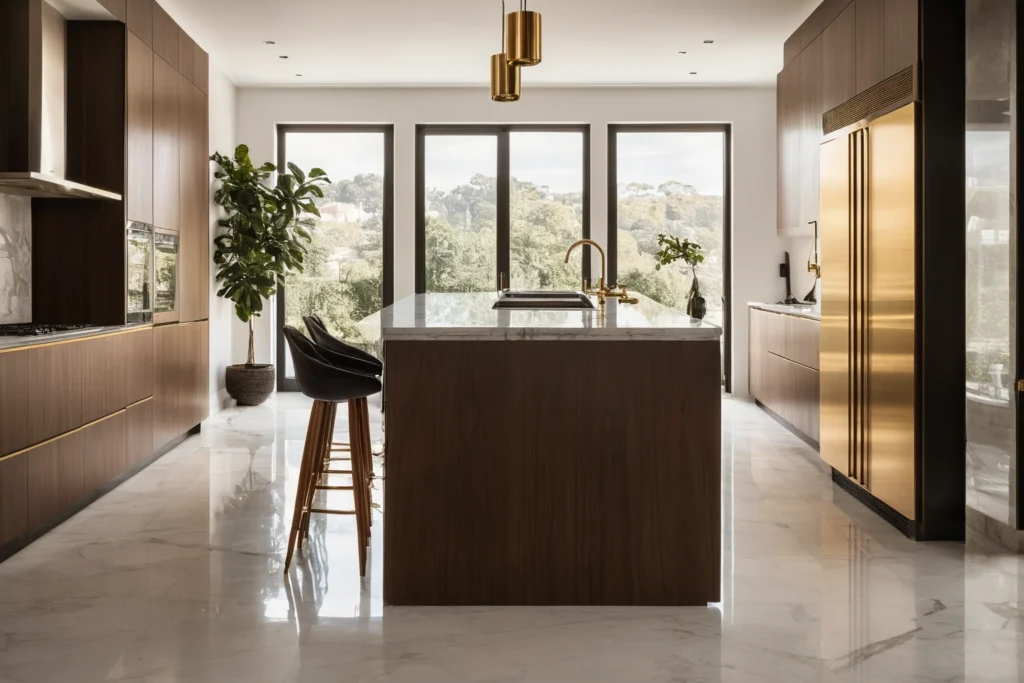
The AI Kitchen at EuroCucina 2026, and Why Handmade Cabinetry Still Wins the Room
For readers assessing Italian luxury kitchen design, the practical question is how the idea performs in a real room, not only how it photographs. Every two years the kitchen half of Milan reopens, and in 2026 it did so loudly. EuroCucina with FTK, Technology For the Kitchen, returned to Rho Fiera from 21 to 26 April with 106 brands from 17 countries, folded inside Salone del Mobile.Milano and its 2026 theme, “A Matter of Salone,” a year built around materiality rather than surface. The headline on the kitchen floor was artificial intelligence crossing from gadget to infrastructure: hobs that recognise the pan, ovens that watch the roast, extraction that reads the air. The quieter story, and the one a household lives with for thirty years, is that none of it changes what holds the room up.
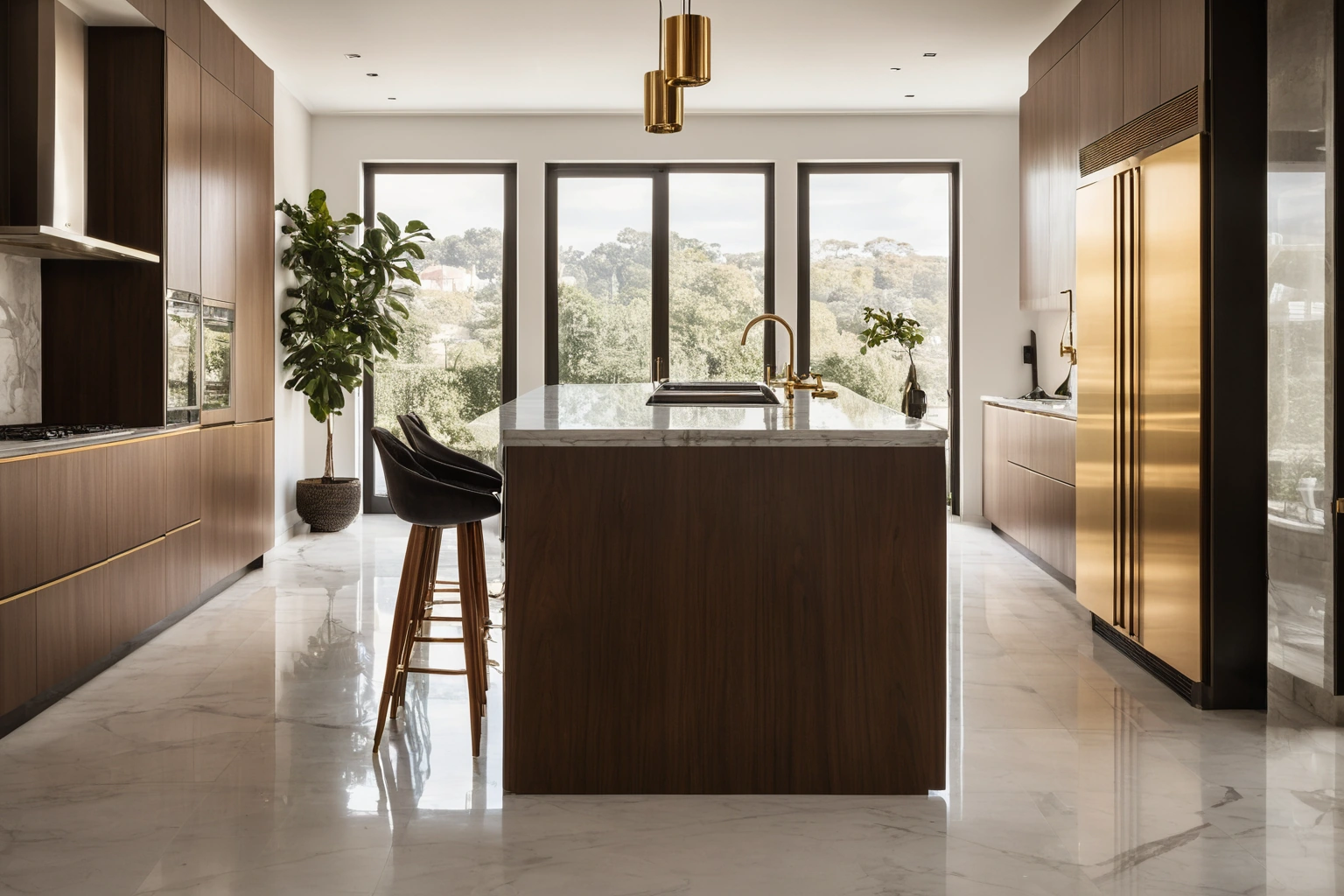
What the intelligence actually does on the 2026 floor
Strip the marketing and the useful AI at EuroCucina clustered into a handful of jobs. Induction surfaces sense cookware position and contents and hold a target temperature rather than a power level, so a sauce sits at 82 degrees instead of “medium.” Ovens pair internal cameras with recognition models that identify the dish and steer time and humidity, logging the cook for next time. Extraction hoods read particulate and moisture and modulate themselves, which matters more in an open-plan villa than any specification sheet admits. Larder columns photograph their own shelves for an inventory you can read from a phone. Design press covering the fair, from Dezeen to the trade dailies, keeps landing on the same word for it: infrastructure.
Read the fine print and a pattern appears. Every one of those functions lives in a sensor, a board and a software layer. Each is wonderful, and each is on a replacement clock measured in single-digit years. The appliance is not the kitchen. It is a tenant in the kitchen. A related practical reference is available in Luxury Italian Furniture Trends.
| Layer | Typical service life | How it fails | Upgrade path |
|---|---|---|---|
| Software & sensors (recognition, apps, connectivity) | 3–7 years | Obsolescence, dropped support | Firmware, then replacement module |
| Appliances (oven, hob, hood, fridge) | 8–15 years | Component wear, standards change | Swap into a standard aperture |
| Worktop & hardware | 15–30 years | Surface fatigue, hinge cycles | Refinish or re-fit |
| Cabinetry carcass (the built structure) | 30–50 years | Rarely, if built and kept well | Reface, never rebuild |
Why the carcass is still hand territory
A kitchen is two objects pretending to be one: a rack of electronics and a piece of architectural furniture. The electronics improve every year and the industry is right to chase them. The furniture obeys older rules that no update touches, which is exactly why the makers who take it seriously still cut it by hand.
Solid timber and quality veneers move with the seasons; a carcass that ignores that will telegraph a hairline gap across a door within two winters. The traditional joints exist precisely to manage that movement. A dovetail locks a drawer against the exact direction a loaded drawer pulls, and it does so with geometry rather than glue or a fastener that will loosen. Fitting a door so its 2-millimetre reveal stays even along a two-metre run is not a setting on a machine; it is a person, a plane and an eye. And the material choice is not only aesthetic. Engineered panels can off-gas formaldehyde, which is why composite wood sold in the United States must meet the emission limits the US Environmental Protection Agency sets under TSCA Title VI; a solid oak carcass sidesteps the question the way a stone wall sidesteps damp. The wider project context is available from Classic Crazy Bones.
The appliances are the fastest thing in the room and the cabinetry is the slowest, and a kitchen ages well only when the design lets each keep its own speed.
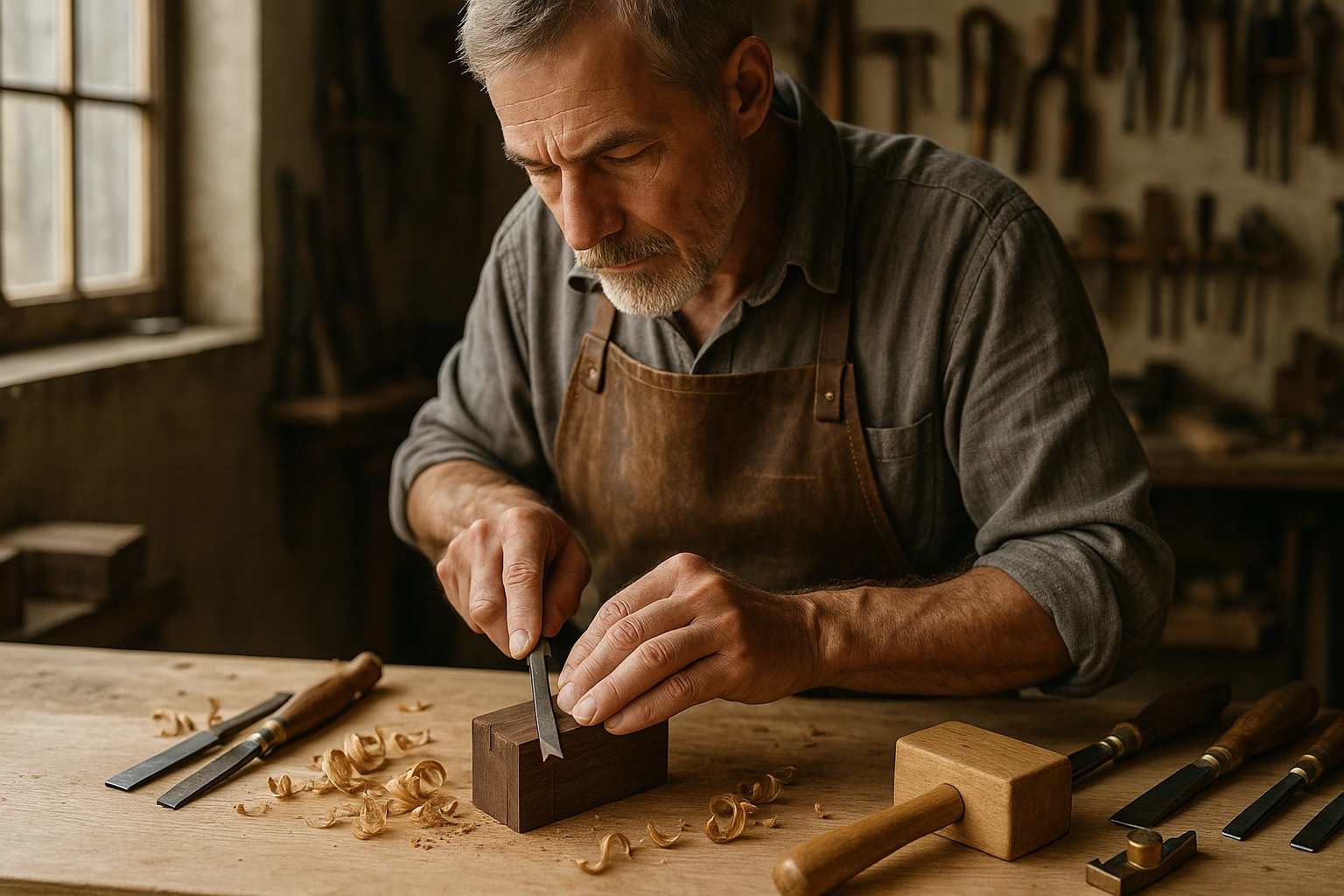
The vocabulary of that work is worth knowing before you commission it, because the joint tells you what you are paying for. Further related coverage is collected in Blog.
- Dovetail
- Interlocking angled pins and tails, strongest against pull-out; the drawer joint of record for three centuries.
- Mortise and tenon
- A shaped tongue seated in a matching socket, the frame joint that carries load without relying on fasteners.
- Dowel
- Round pegs in drilled holes, fast and clean on carcasses, weaker than a cut joint under racking stress.
- Biscuit and cam
- Alignment and knock-down hardware; efficient for flat-pack, not a substitute for a cut structural joint.
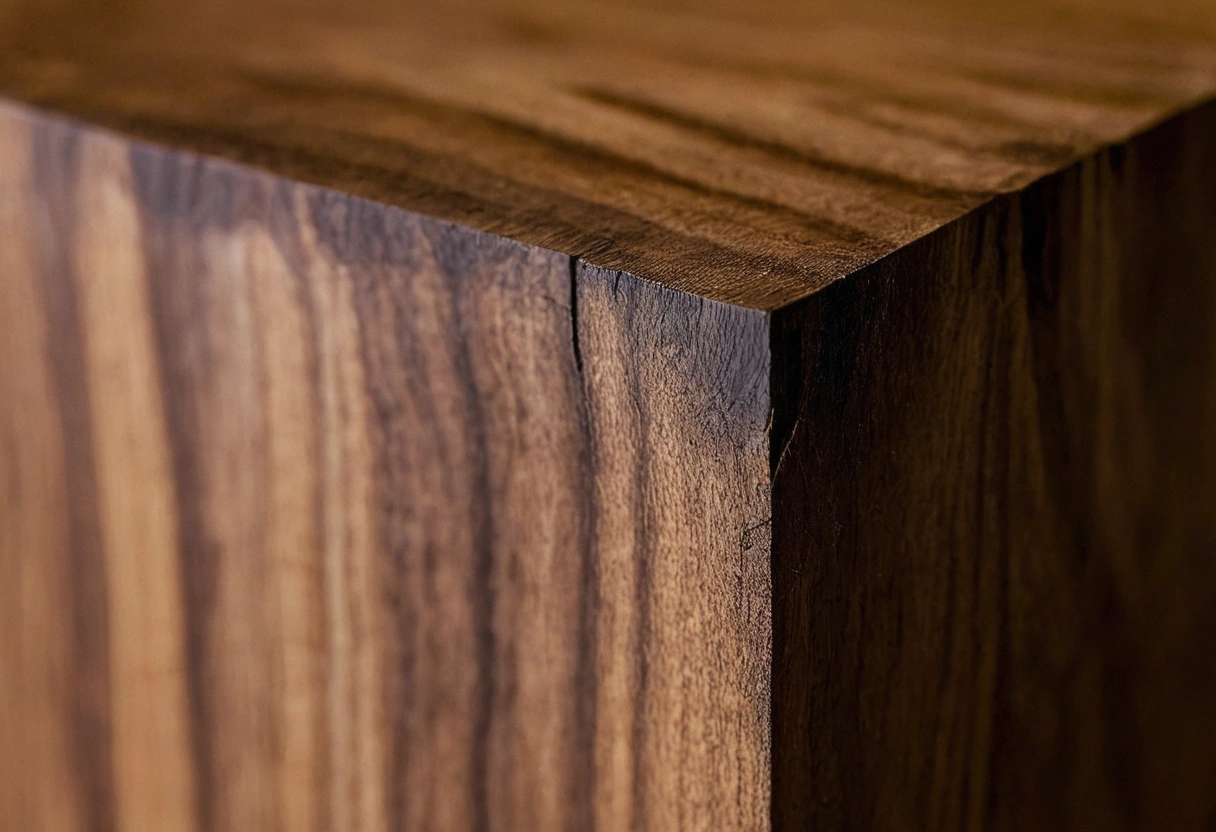
Designing a kitchen for two clocks
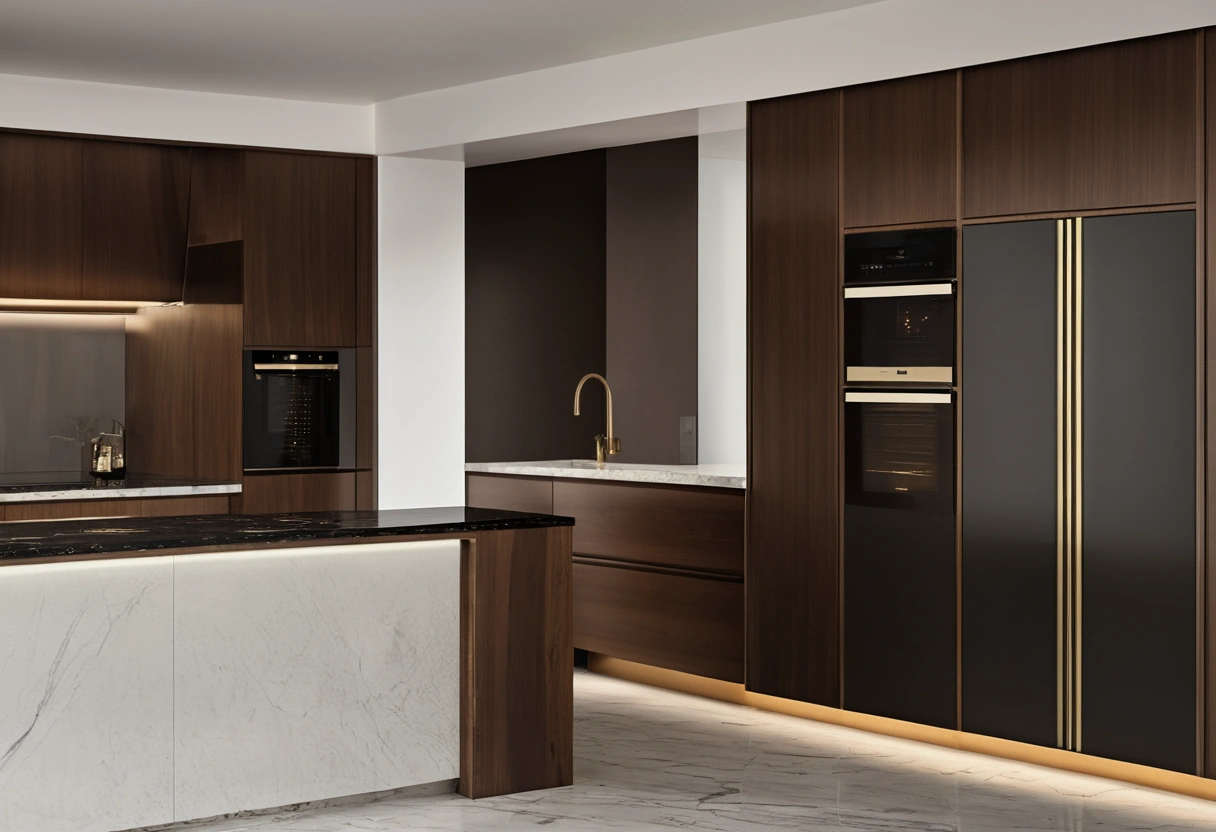
Once you accept that the smart layer and the built layer age at different rates, the design brief writes itself. The goal is a carcass that will happily host three generations of appliances without being torn out to do it.
- Standardise the apertures. Ovens, hobs and columns should drop into openings sized to common European module dimensions, so a 2034 appliance meets a 2026 cabinet without a saw.
- Run services in accessible conduit. Power, water and data behind removable panels, not buried in the structure, so upgrading connectivity does not mean demolition.
- Make the doors the fashion layer. Fronts and handles carry the decade’s taste and can be refaced; the box behind them stays.
- Protect the timber. Hold the room at roughly 45 to 55 percent relative humidity and keep solid fronts off the dishwasher’s steam path; wood that lives in stable air stays flat for decades.
- Keep the ergonomics analogue. The work triangle between cold store, water and heat still governs how a body moves through a kitchen, and no algorithm has repealed it.
The buyer’s short checklist
If you are commissioning at this level, the questions that protect the investment are unglamorous and specific. A workshop that builds bespoke kitchens to last should answer all of them without hesitating. For the next stage of the brief, see About Us.
- Is the carcass solid timber or a named, low-emission engineered panel, and which joints carry the load?
- Are appliance apertures cut to standard modules, so a future replacement fits without rebuilding?
- Where do the services run, and can they be reached without dismantling the cabinetry?
- What is the door and hardware warranty, and is refacing offered as a mid-life service?
- Which parts are expected to be upgraded in ten years, and which are built never to be touched?
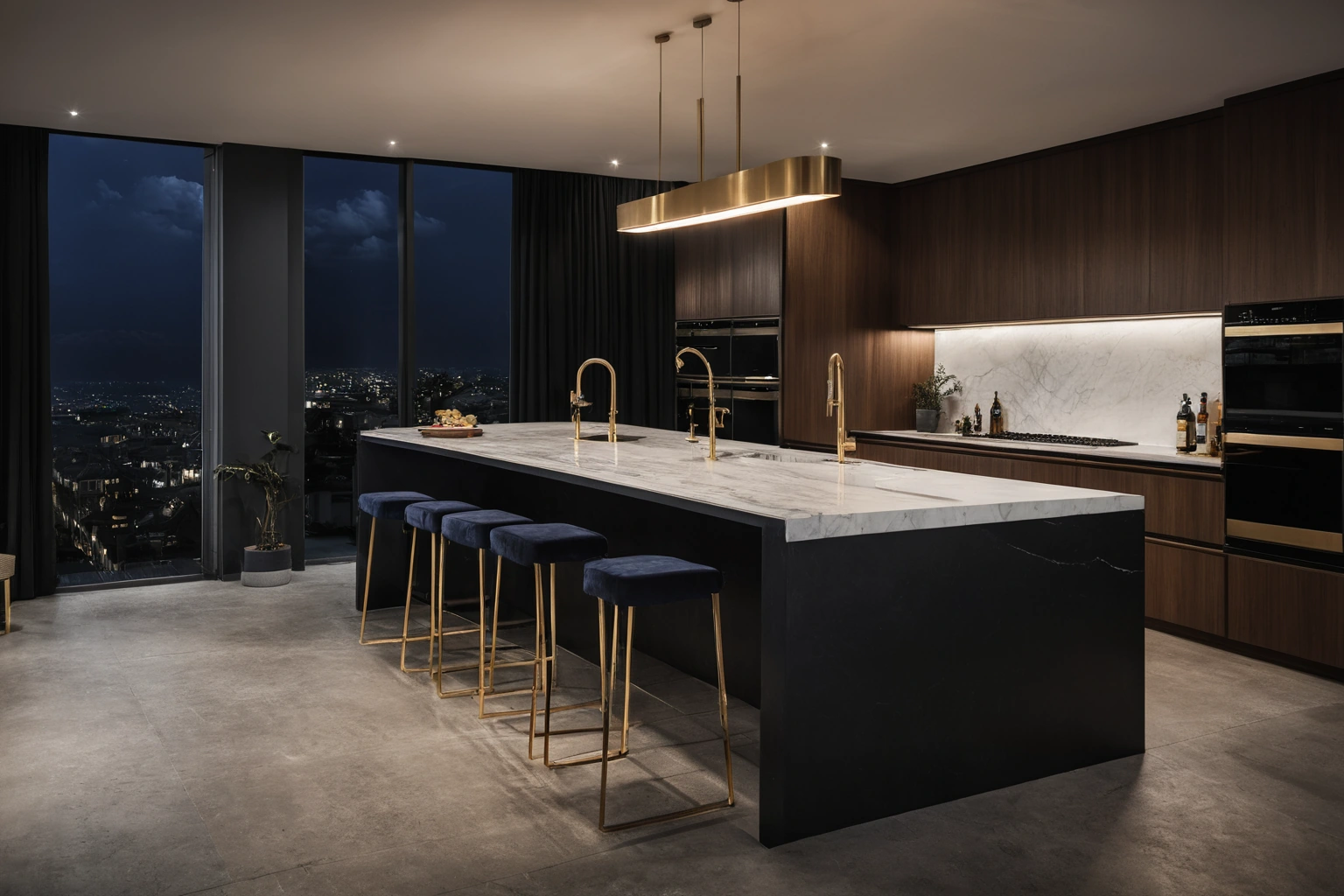
EuroCucina 2026 will be remembered as the year the kitchen learned to see, and it should be. But the show also quietly proves the older point. The intelligence is a tenant that will change with the technology, and the cabinetry is the building it lives in. Buy the software for what it does this decade, and buy the carcass for the three decades after that. The room that still works in 2056 is the one whose maker understood the difference.